The Development Trend of Space Frame Structures is a subject of growing importance in modern architecture and engineering. As one of the most advanced and versatile structural systems, space frames are celebrated for their lightweight composition, high strength, aesthetic appeal, and adaptability. These qualities have made them the preferred choice in large-span buildings, cultural landmarks, industrial complexes, and even aerospace applications.
Over the past decades, space frame structures have undergone continuous evolution. From the improvement of construction technology to the adoption of innovative materials and modular prefabrication methods, the development trajectory of space frame systems has been shaped by the pursuit of efficiency, sustainability, and design freedom. This article explores in detail the progressive trends that define the present and future of space frame structures.
Materials: Driving Innovation in Space Frame Structures
High-Strength Steel
Steel remains the backbone of most space frame structures. The use of high-strength steel has significantly enhanced the load-bearing capacity while reducing overall material weight. This trend supports the creation of larger spans and more complex architectural forms, without sacrificing safety or stability.
Aluminum Alloys
Aluminum alloys are increasingly utilized due to their lightweight properties and corrosion resistance. Their application allows for easier transport, faster assembly, and longer service life—especially in outdoor projects like stadium roofs or airport terminals exposed to harsh environments.
Carbon Fiber Composites
Perhaps the most groundbreaking material in The Development Trend of Space Frame Structures is carbon fiber composite. Known for its exceptional strength-to-weight ratio, carbon fiber enables engineers to push the boundaries of design. While currently more expensive, advancements in manufacturing are expected to lower costs, making carbon fiber more accessible for mainstream construction projects.
Environmental Materials
In addition to performance, sustainability plays a central role. Recyclable and eco-friendly materials are being explored to reduce environmental impact, ensuring that the adoption of space frame structures aligns with global green building initiatives.
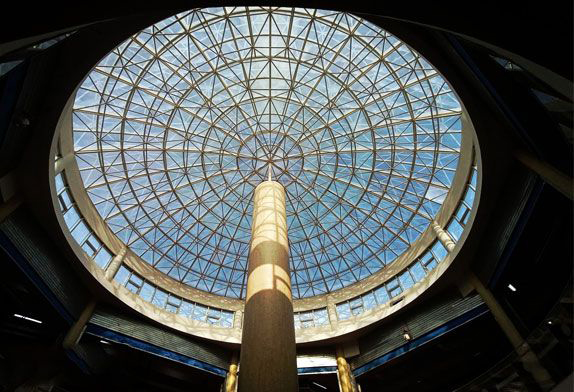
Advances in Construction Technology
Digital Design and BIM Integration
The integration of Building Information Modeling (BIM) and advanced digital design tools has revolutionized the way space frames are conceived and built. Complex geometries can now be simulated with high precision, allowing engineers to anticipate structural behavior before physical construction.
Robotic and Automated Assembly
Robotics and automation are reshaping The Development Trend of Space Frame Structures. Automated welding, cutting, and assembly techniques improve efficiency, reduce labor dependency, and ensure greater accuracy in large-scale projects.
3D Printing Applications
Although still emerging, 3D printing holds great promise. It may eventually enable the direct fabrication of modular space frame components, further reducing waste and shortening project timelines.
Modularization and Prefabrication
Prefabricated Components
One of the most transformative trends is prefabrication. Space frame components are increasingly manufactured in controlled factory environments before being transported to construction sites. This method improves quality control, minimizes waste, and shortens assembly time.
Modular Construction Systems
Modularization allows space frame structures to be built in standardized sections, which can be quickly assembled or reconfigured. This not only reduces on-site labor but also offers flexibility in modifying or expanding structures in the future.
Benefits of Prefabrication
- Faster construction cycles
- Lower labor costs
- Consistent quality assurance
- Reduced environmental footprint
These advantages align perfectly with the demand for modern, efficient, and cost-effective construction.
Expanding Applications Across Industries
Traditional Architectural Applications
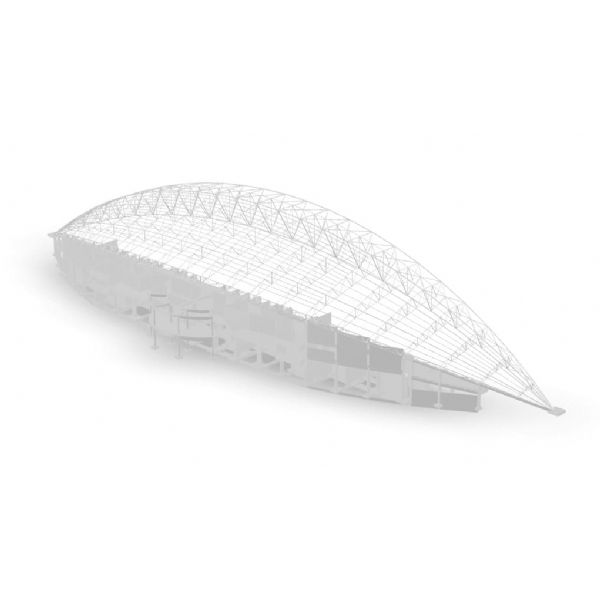
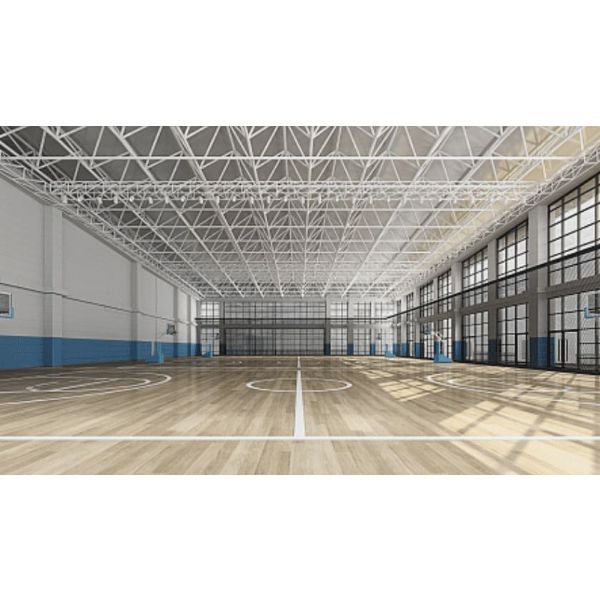
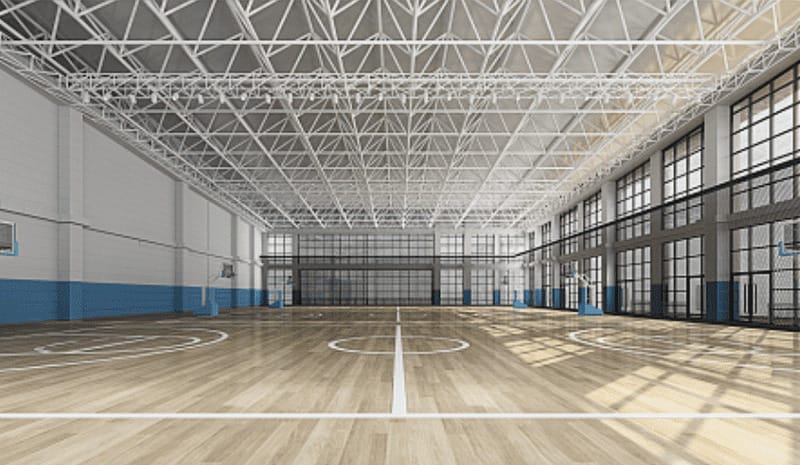
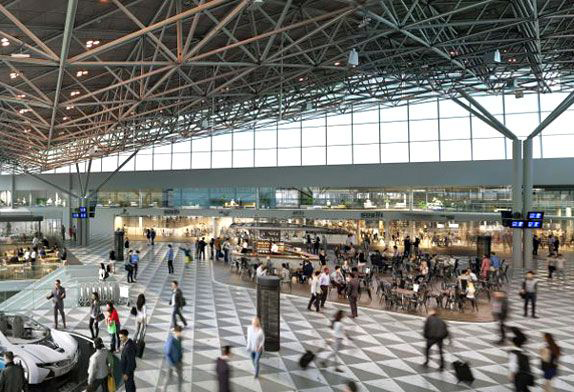
Space frame structures have long been used in stadiums, gymnasiums, exhibition halls, and airports due to their ability to span large areas without internal supports. Their aesthetic appeal also makes them ideal for iconic landmarks.
Infrastructure and Public Facilities
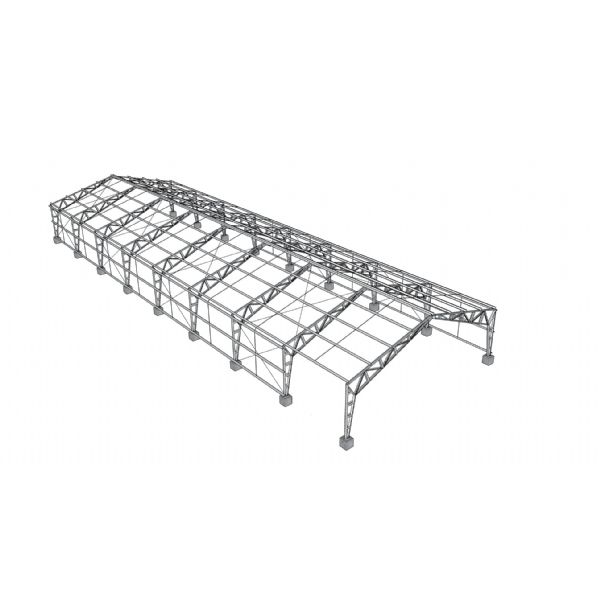
Bridges, transportation hubs, and industrial warehouses are increasingly adopting space frame designs. Their durability and load distribution efficiency make them suitable for high-traffic and high-demand environments.
Aerospace and Aviation
One of the most exciting areas in The Development Trend of Space Frame Structures is their role in aerospace and aviation. Lightweight yet strong frames are essential for aircraft hangars, launch facilities, and even spacecraft structural designs.
Renewable Energy and Technology
As renewable energy grows, space frame systems are being used to support solar power stations, wind turbine platforms, and energy-efficient industrial buildings. Their lightweight and modular nature make them adaptable to technological projects that demand scalability.
Environmental Protection and Sustainability
Green Building Practices
Global construction is shifting toward sustainable development goals (SDGs), and space frame structures are no exception. The use of recyclable materials, energy-efficient designs, and reduced waste during construction makes them a vital part of green architecture.
Energy Efficiency
The ability to incorporate natural lighting, ventilation, and lightweight roofing systems enhances the energy performance of buildings. This reduces the operational costs of facilities such as stadiums, airports, and industrial complexes.
Lifecycle Sustainability
Another important aspect of The Development Trend of Space Frame Structures is the long service life of these systems. Their durability minimizes maintenance costs, while their adaptability reduces the need for complete reconstruction. This lifecycle efficiency supports sustainability in both economic and environmental terms.
Coping With Natural Disasters and Long-Term Use
Seismic Resistance
Space frame structures have inherent seismic resistance due to their geometric configuration. This makes them suitable for earthquake-prone regions, offering stability and reducing the risk of structural collapse.
Weather and Climate Adaptability
The use of advanced coatings and corrosion-resistant materials allows these structures to perform well in extreme climates. From desert stadiums to coastal airports, space frames maintain strength and reliability.
Extended Service Life
Continuous innovations in design and material science are extending the service life of space frame structures. Combined with lower maintenance costs, this trend makes them one of the most cost-effective options for large-scale infrastructure.
Economic Impact and Cost Efficiency
Reduced Construction Costs
While initial material costs may be higher, space frames save money in the long term. Prefabrication, reduced labor, and faster construction timelines ensure significant savings.
Enhanced Functionality
By enabling multi-purpose use of space, such as in stadiums or exhibition centers, space frame structures maximize the economic return on investment.
Competitive Advantage for Cities and Nations
Adopting advanced space frame technology allows cities and countries to showcase modern infrastructure, attracting global events, tourism, and business opportunities.
The Future Outlook of Space Frame Structures
The future of The Development Trend of Space Frame Structures points toward even more advanced integration of materials, digital technologies, and modular construction techniques.
Smart Space Frames
Integration with smart sensors and IoT technology will enable real-time monitoring of structural health, load performance, and environmental conditions.
Hybrid Systems
The combination of steel, composites, and advanced coatings will result in hybrid space frame systems that outperform traditional designs.
Global Adoption
As construction markets in Asia, Africa, and the Middle East continue to expand, the use of space frame structures will increase significantly. Large-scale projects such as mega airports, sports cities, and renewable energy plants will rely heavily on space frame solutions.
The Development Trend of Space Frame Structures reflects a clear trajectory toward innovation, sustainability, and global applicability. By integrating high-performance materials, advanced construction technologies, modular prefabrication, and green building practices, space frame structures are poised to dominate modern architecture and engineering.
Their role extends beyond traditional construction into aerospace, renewable energy, and high-tech industries, making them one of the most versatile and future-ready structural systems available today.
As technology advances, these structures will continue to improve in durability, efficiency, and adaptability, ensuring that space frame systems remain at the forefront of architectural and engineering solutions for decades to come.